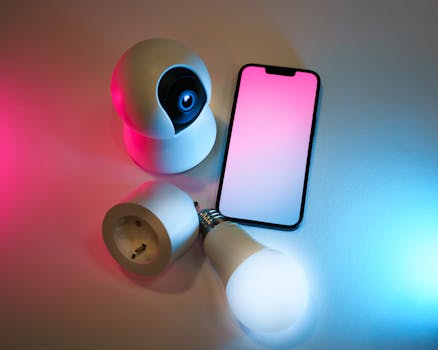
Everyone pulls out their phone dozens of times daily, whether to check the weather, reply to messages, or set a reminder. Lately, ai mobile apps weave seamlessly into these routines.
Mobile technology now adapts to user behavior, thanks to AI-driven tools. These apps are not just smarter—they anticipate preferences, save time, and elevate digital experiences across tasks large and small.
This article shares practical examples, user-driven insights, and actionable tips that highlight how AI-powered mobile apps deliver real improvements. Settle in and discover how your own device might already be smarter than you think.
Personal Assistance Features Reduce Everyday Friction Instantly
Voice-enabled ai mobile apps speed up note-taking and appointment setting. These tools act as digital assistants, frequently reducing friction in daily habits, from texting to managing groceries, with surprising precision.
Smart reminders now connect to activity patterns. For example, when users say, “Remind me about the gym on Friday,” the app learns patterns and nudges accordingly, even adapting future suggestions on the fly.
Natural Language Processing Transforms User Requests On Demand
Instead of right-clicks or swipes, users now state needs out loud. “Send grandma a birthday card next Monday,” and the ai mobile app drafts the message, checks calendars, and even suggests a card design.
This advancement saves multiple manual steps. Body language cues such as relaxed shoulders or a smile often indicate that users appreciate the reduced complexity, especially with repetitive scheduling or simple messaging tasks.
By transforming plain speech into automated actions, these apps reinforce confidence and allow users to focus on what really matters, whether at home or heading out for errands.
Scenario: Setting Up a Doctor Appointment with Voice Commands
Imagine saying, “Book a checkup with Dr. Lee next Thursday at 10 a.m.” The ai mobile app fills out the request, checks your schedule, and notifies you once confirmed.
This process takes less than a minute, with no opening of the calendar app or hunting for contacts. Users can then copy this script when planning any event: “Schedule [event] with [contact] on [date] at [time].”
By relying on conversational phrasing, users experience less cognitive load while securing appointments seamlessly and accurately, which in turn leads to more consistent follow-through.
| Feature | Manual Apps | AI Mobile Apps | Takeaway |
|---|---|---|---|
| Setting reminders | Tap + type manually | Speak or type plain requests | Use AI for faster reminders |
| Calendar invites | Navigate to calendar, input | Voice command “Set up call” | Save steps with AI voice input |
| Task suggestions | No context awareness | Recommends based on patterns | Accept prompts to stay on track |
| Email sorting | Manual folder creation | Categorizes emails automatically | Allow auto filters for priority |
| Note capturing | Type with keyboard | Dictate anytime, anywhere | Speak notes to save time |
Customization Options Create a Truly Personal Digital Experience
Tailoring workflows, preferences, and notifications allows people to reshape digital routines. With ai mobile apps, users quickly align features to their daily needs, resulting in less clutter and clearer focus.
Whether color-coding tasks or prioritizing messages, adaptive AI tools learn user preferences after a few days’ use. Apps that personalize behavior lead to higher satisfaction and improved follow-through, especially for recurring events.
Dynamic Settings Adapt to Lifestyle Changes
As routines shift, so do notification styles. Silent reminders for early risers or bright alerts at lunch effortlessly adjust within the ai mobile app, keeping users proactive without constant settings management.
When an early meeting is added, the app preemptively reschedules alarms. This anticipates user needs and reduces interruptions, providing smoother mornings and fewer missed appointments.
- Personalize notification sound: Loud in the afternoon ensures users hear critical alerts in busy environments. Adjust for evening quiet mode to avoid unnecessary distractions and ensure restful downtime.
- Rearrange dashboard icons: Place time-sensitive features, such as daily checklists, front and center so they’re quickly accessible. Declutters interface and supports a more streamlined, actionable workflow.
- Edit recurring task frequency: Choose specific intervals that make sense for individual routines. Less cluttered to-do lists yield higher completion rates when items aren’t overwhelming or irrelevant day-to-day.
- Create location-based routines: Leave “Turn off Wi-Fi when leaving home” enabled for automatic toggling. This helps boost battery life and prevent unnecessary data use with no added steps required.
- Sync schedules with loved ones: Share calendars for overlapping events, reducing double-booking risks, and building in accountability for personal or shared commitments at the touch of a button.
Customizations can be fine-tuned at any time to match changing schedules or priorities. Explaining these changes aloud also teaches ai mobile apps the context behind decisions, fueling even further improvement.
Easy Profile Management Simplifies User Identity Across Devices
AI-powered profiles synchronize across multiple phones and tablets with a single login. Settings transfer automatically, saving time and cutting headaches when switching or replacing devices.
This system makes onboarding fast. “Open my notes on the new phone,” prompts the ai mobile app to restore previous preferences and layouts while preserving data security.
- Enable biometric login: Fingerprint or facial recognition speeds up access to secure content, keeping privacy intact and reducing risk from stolen or lost devices.
- Set multi-device sync: Carry chosen layouts and preferences between personal and work phones—less setup, increased consistency, and more trusted results, wherever you are.
- Backup custom layouts: Restoring a dashboard layout lets users feel at home on any device, minimizing time spent hunting for familiar tools, lists, or shortcuts.
- Choose personal or public mode: Protect private content with flexible privacy settings so that shared devices never reveal sensitive data to unintended viewers.
- Delegate temporary access: Let a family member check your shopping list in emergencies by granting selective, time-limited permissions directly within the ai mobile app’s settings.
Confidence in the app’s adaptability leads to consistent engagement. Smart profile management tactics keep users in control even as their device lineup evolves.
On-the-Go Productivity Rises Through Intelligent Automation
Immediate task automation gives tangible gains in productivity. By automating recurring routines, ai mobile apps reduce busywork, unlock new time blocks, and encourage better daily planning habits—all without extra effort.
Automated tools highlight action items before meetings or at commute times. When users see a list pop up labeled “Today’s Big Wins,” it’s easier to prioritize critical tasks efficiently and confidently.
Email Sorting: From Overwhelm to Organized
Automatic sorting by importance changes email from chaos to clarity. With ai mobile apps, urgent tasks bubble to the top, newsletters slide into folders, and junk mail vanishes without manual work.
A person reviewing a crowded inbox can simply select “Prioritize work emails” and watch the app filter and flag messages based on learned relevance, making the right messages stand out for quick responses.
This reduces mental fatigue, letting users focus on impactful tasks and new opportunities instead of constantly reacting to noise from dozens of unchecked messages or notifications.
Smart Scheduling Simplifies Availability Management
When someone says, “Find time for a team call next week,” the ai mobile app scans everyone’s calendars, suggests possible slots, and sends invites instantly based on availability overlaps.
Avoiding scheduling ping-pong means meetings land quickly. Small cues, like a nod or smile on receiving a confirmed invite, show people appreciate smoother coordination with no endless email chains.
Users can copy this approach by stating, “Schedule [event] with [people] next [weekday],” and letting their app work out the rest. This saves time and ensures commitments stick.
Security and Privacy Features Increase User Trust with Real Protections
Concrete privacy measures keep personal data secure as automation grows. Ai mobile apps build trust by using built-in encryption, biometric logins, and transparent permissions.
It’s easier for users to approve app requests when settings explain their necessity. Well-designed apps walk users step-by-step through approval processes, reducing fears and ensuring informed choices at every stage.
Granular Permission Controls Give Peace of Mind
Apps now prompt with specific reasons when accessing contacts, location, or camera. The phrase “I need this for voice reminders” clarifies the request, lowering anxiety and increasing transparency.
Users can quickly tap either Allow or Deny, with no confusion about what happens next. Each request stands alone—no blanket approvals—ensuring personal control and no unwanted surprises.
Regular reminders to review permissions keep security fresh in mind. Users feel confident updating access as needs change, preventing unnecessary data sharing or leaks from inactive features.
- Check approved permissions monthly: Review what information each app can access, strengthening privacy and removing unnecessary connections that serve no present purpose.
- Update passwords regularly: Rotate login details to add extra protection, especially for apps holding sensitive schedules or personal photos shared between devices.
- Enable two-factor authentication: Pair facial recognition, SMS, or email codes for layered defenses. Blocks remote login attempts even after password theft, protecting important content from prying eyes.
- Lock screens when idle: Set automatic app timeouts or close connections when not in use, limiting physical and digital risks from theft or eavesdropping in public spaces.
- Opt for anonymized analytics: Approve data use only if strict anonymization is in place, so personal details never reach app developers or advertising partners without explicit consent.
Ongoing privacy habits cement app trust over the long term. Following these routines ensures every ai mobile app delivers its benefits safely.
Integration with Daily Tools Multiplies Usefulness and Streamlines Life
Syncing ai mobile apps with calendars, smart home devices, or car consoles multiplies utility. These connections bridge digital and physical worlds, aligning reminders, routines, and automations to user demands.
People often say, “Turn off the lights as I leave,” then watch their app coordinate with smart systems so actions happen instantly. This real-world feedback encourages ongoing use.
Connecting Apps Across Devices for Seamless Workflows
Scheduling a video call from one device and joining it on another—such as a phone to a tablet—demonstrates flexible, intelligent handoffs. The ai mobile app syncs context so no details are lost.
When a document started on a tablet opens in the same spot on a phone, users maintain momentum. Seamless transitions reduce dropped tasks and support deep focus wherever work happens.
Copy this by setting up “Continue on another device” in app settings and letting ai-powered sync do the heavy lifting, ensuring always-on productivity wherever needed.
Consistent Learning and Adaptability Drive Continuous App Improvement
Strong ai mobile apps continuously evolve, learning from user feedback and day-to-day habits. Prompt updates respond to shifting needs, preventing stagnation and renewing app value automatically.
Feedback, such as dismissing a recurring prompt, prompts the app to adapt on the next cycle, speeding up routines or lowering the frequency of reminders as users grow more skilled.
Scenario: User Requests Custom Actions
Suppose someone asks, “Always mute notifications when I’m driving.” The ai mobile app updates routines instantly, activating that action every time motion sensors detect you’re in a vehicle.
This change persists across journeys, with no further setup. If morning drive times shift, the app gradually recognizes new traffic patterns and adapts notification timing accordingly for ongoing convenience.
Taking ownership of these adjustments encourages deeper engagement and leads to more intuitive, satisfying use over time, regardless of context or fluctuating schedules.
Building New Habits with Proactive Prompts
After a week of logging lunch breaks, a person can say, “Suggest healthy recipes daily at noon.” The ai mobile app offers tailored meal ideas just before lunchtime, fueling healthier routines.
Adapting prompts to suit unique needs, users become more accountable and open to further app suggestions, deepening app loyalty and routine adherence in the process.
App-generated recommendations encourage experimentation, as each suggestion draws from historical patterns. This consistent improvement creates a self-reinforcing cycle of better routines over time.
Looking Ahead: The Future of AI Mobile Apps Reflects Genuine User Needs
Ai mobile apps will deepen customization, privacy, and everyday usefulness. Each improvement draws on user feedback, shifting how people schedule, connect, and safeguard information on mobile devices.
Anticipate even more seamless integrations, as more household devices and digital tools join mobile networks, further blurring lines between digital and physical experiences.
The key takeaway: intelligent, user-driven ai mobile apps enable everyone to reclaim time and attention for priorities beyond their screens, making mobile technology less intrusive and more helpful every day.